Project Overview
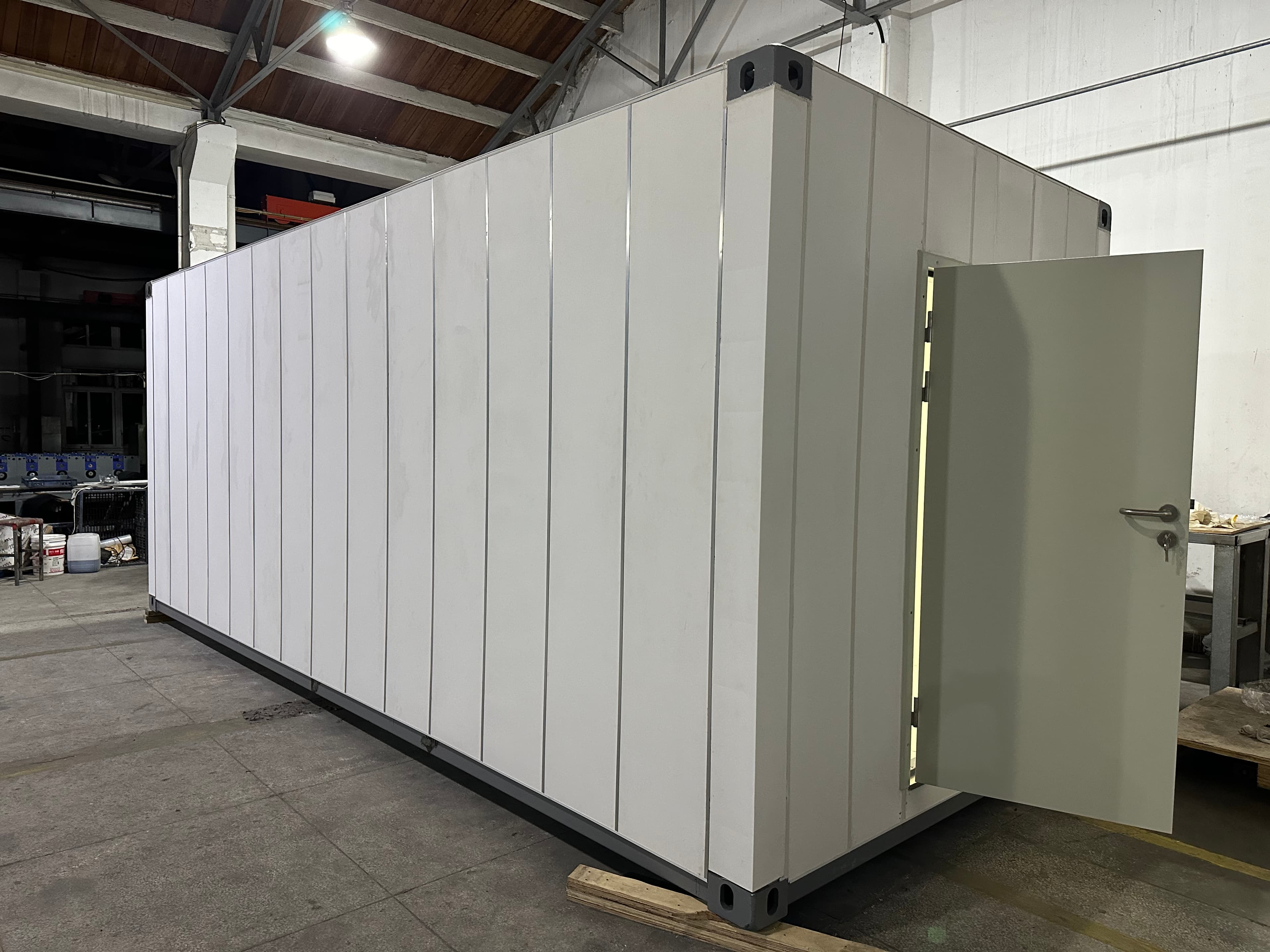
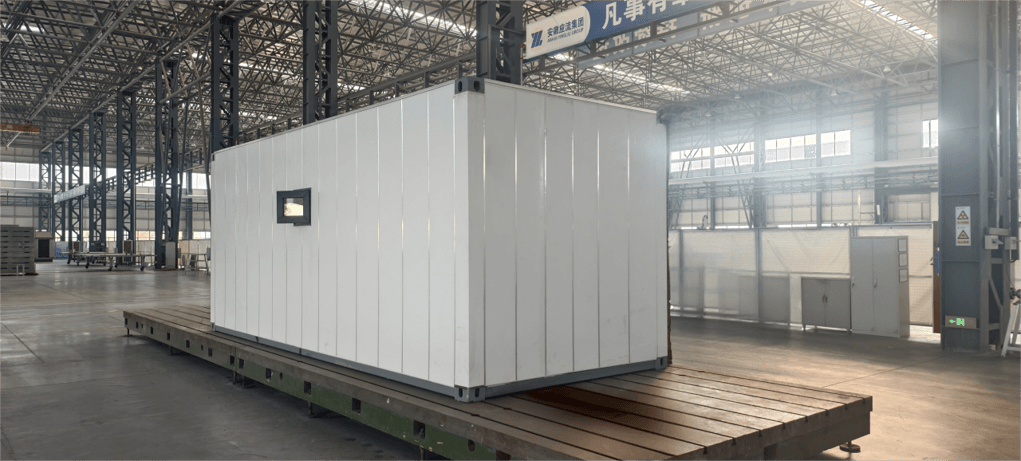
Developed in 2025, this project brought together multiple Vantell building-envelope technologies in a lightweight, factory-assembled modular structure.
Rather than relying on insulation alone, the enclosure was designed as a coordinated system to manage solar heat gain, rainwater, drainage, drying, thermal insulation and uncontrolled air movement through separate but interconnected layers.
The project integrated Vantell Tenjin Panel, Vgelo@ RainScreen 10.1 VRS523101, VREFLECT Reflective Breather Membrane, Vgelo Utility Moisture Wrap VUMW15500, VSST Series and VWFAXW Series into one complete building-envelope strategy.
The original unit was developed for a mobile healthcare application. However, the envelope system itself was designed around environmental and building-performance requirements rather than a single end use, allowing the same principles to be adapted to a much wider range of modular and transportable buildings.
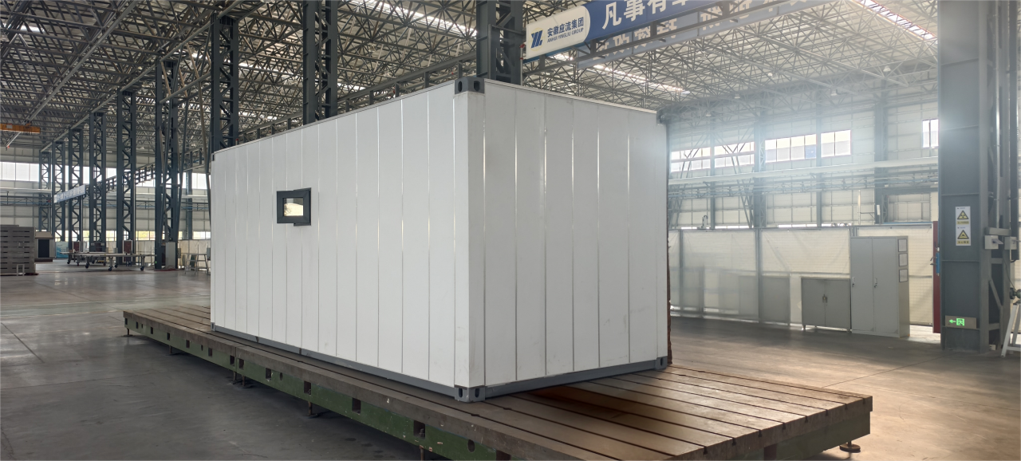
A Complete Modular Building Envelope
The key objective of the project was not simply to add more insulation. Different enclosure functions were assigned to different layers, allowing heat, water, air and moisture to be managed as part of one coordinated system.
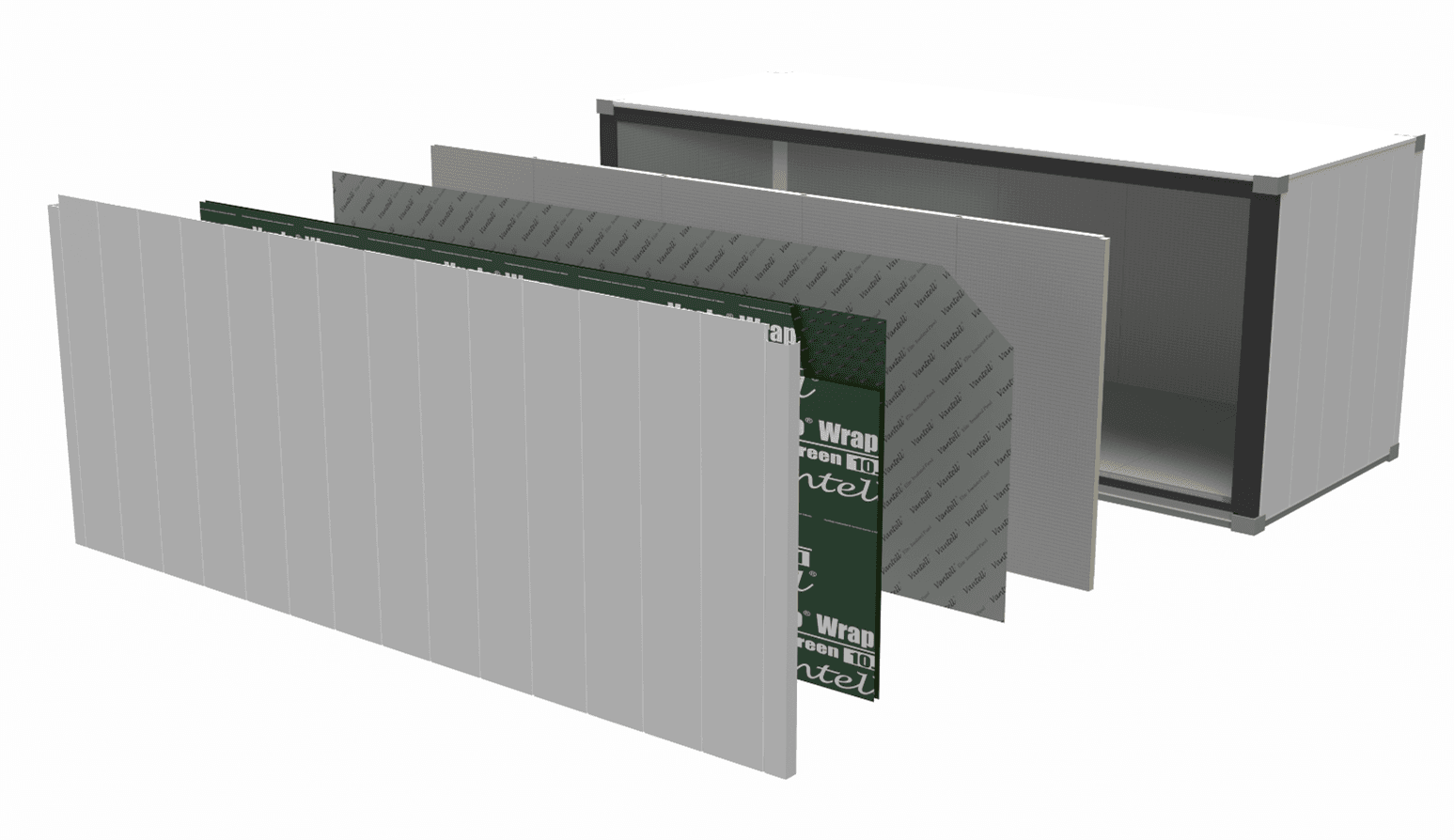
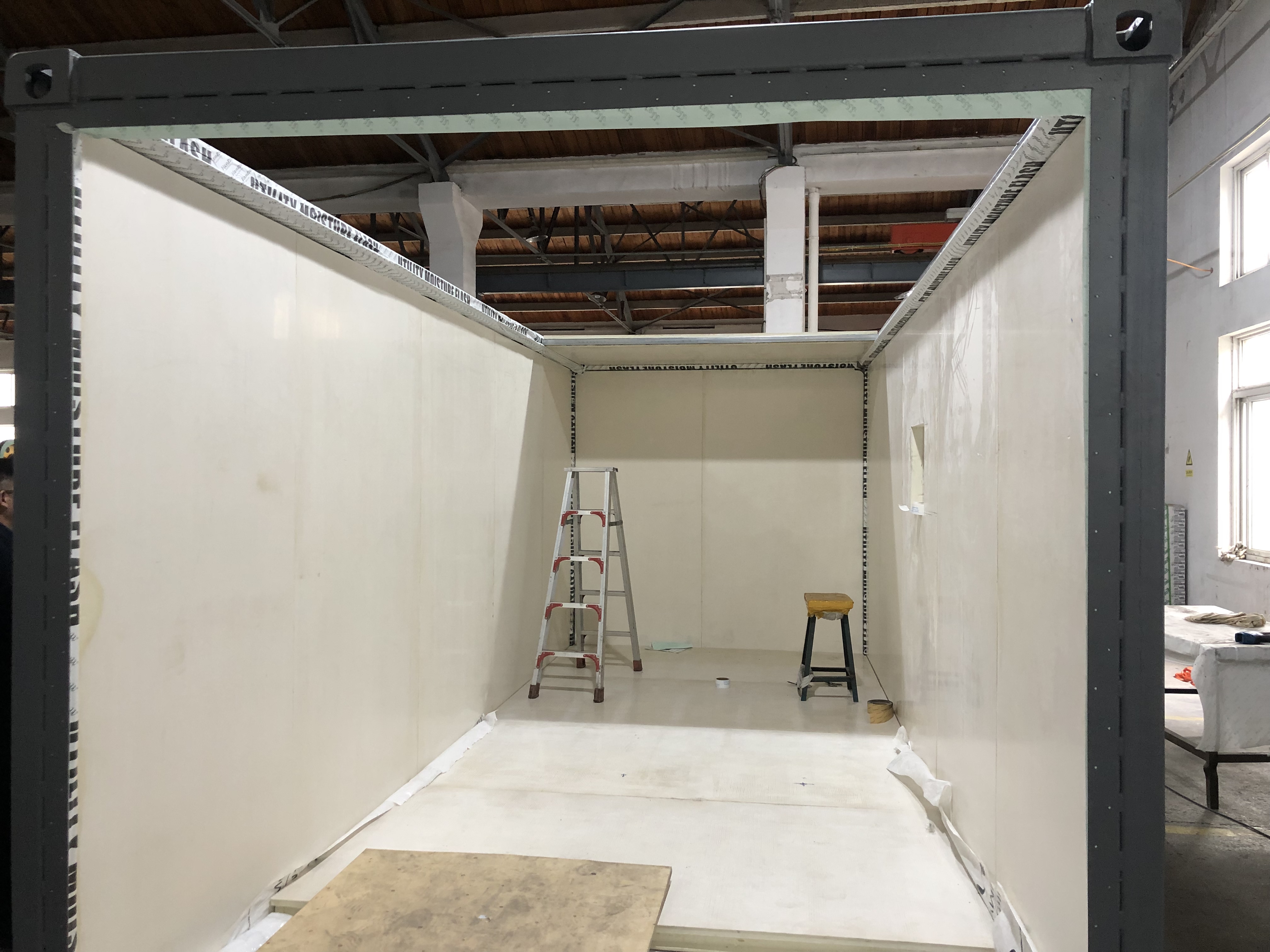
From exterior to interior, the principal building-envelope components included:
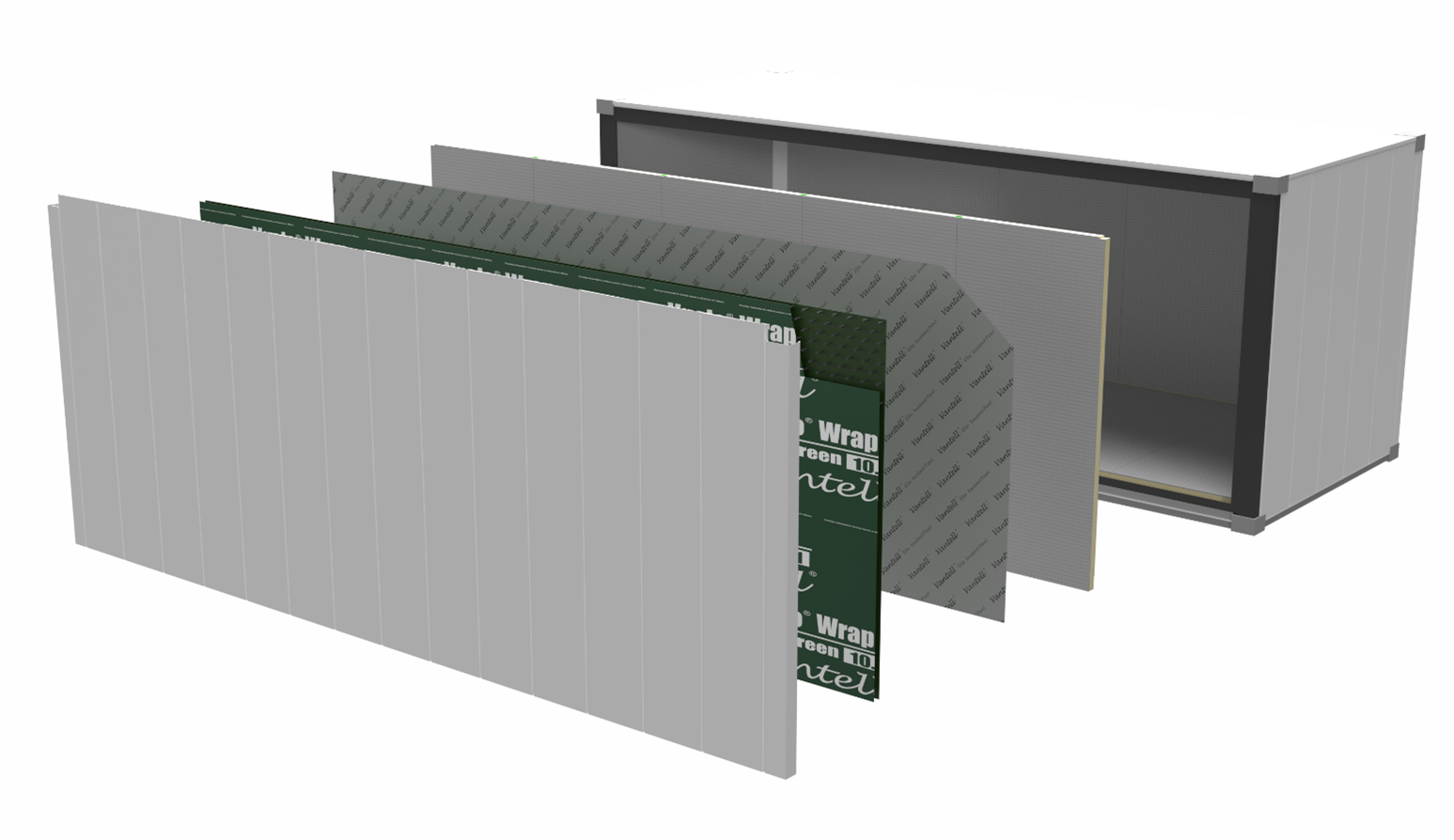
1. Vantell Tenjin Panel
Vantell Tenjin Panel, a TPO composite galvanized steel panel, forms the exterior protective layer of the assembly.
The panel provides a durable weather-exposed surface while its reflective exterior helps reduce direct solar heat absorption. In this project, it also forms the first reflective component of the double-reflective envelope strategy.
2. Vgelo@ RainScreen 10.1 VRS523101
Behind the exterior layer, Vgelo@ RainScreen 10.1 VRS523101 creates an approximately 10.1 mm drainage and ventilation cavity.
This separation allows incidental water to drain behind the exterior surface while promoting air circulation and drying. The cavity also creates physical separation between the solar-heated exterior layer and the protected wall assembly behind it.
3. VREFLECT Reflective Breather Membrane
VREFLECT Reflective Breather Membrane forms the secondary weather-resistive layer behind the ventilated rainscreen cavity.
Its reflective surface provides the second reflective component of the system, while the vapor-open membrane supports outward drying and protects the insulated enclosure from incidental exterior water.
The relationship between the reflective exterior surface, ventilated cavity and VREFLECT layer is central to the double-reflective rainscreen concept.
4. Insulated Composite Structure
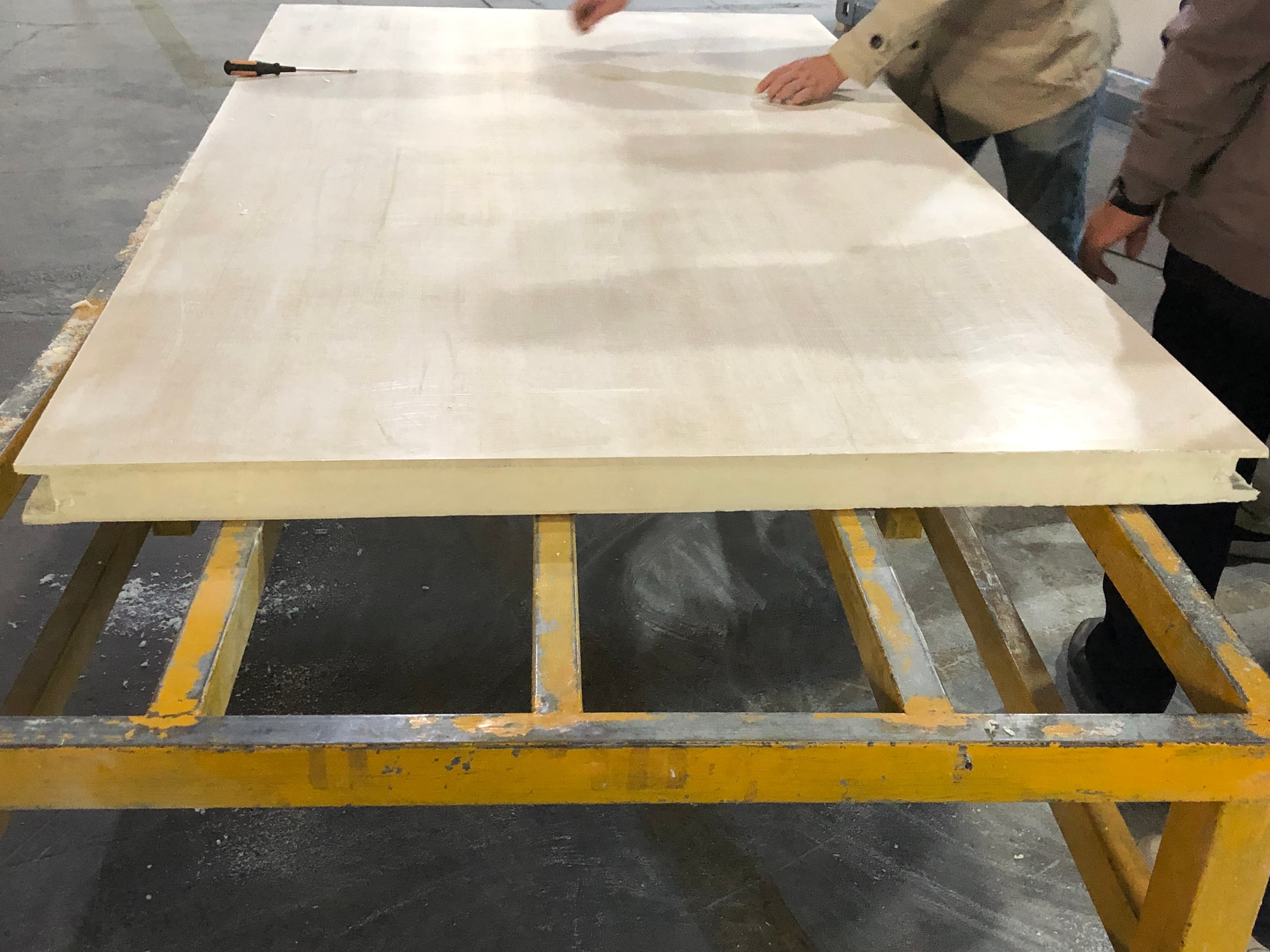
Behind the exterior weather-control layers, an MgO/PIR/MgO composite panel provides the principal thermal insulation together with structural enclosure functions.
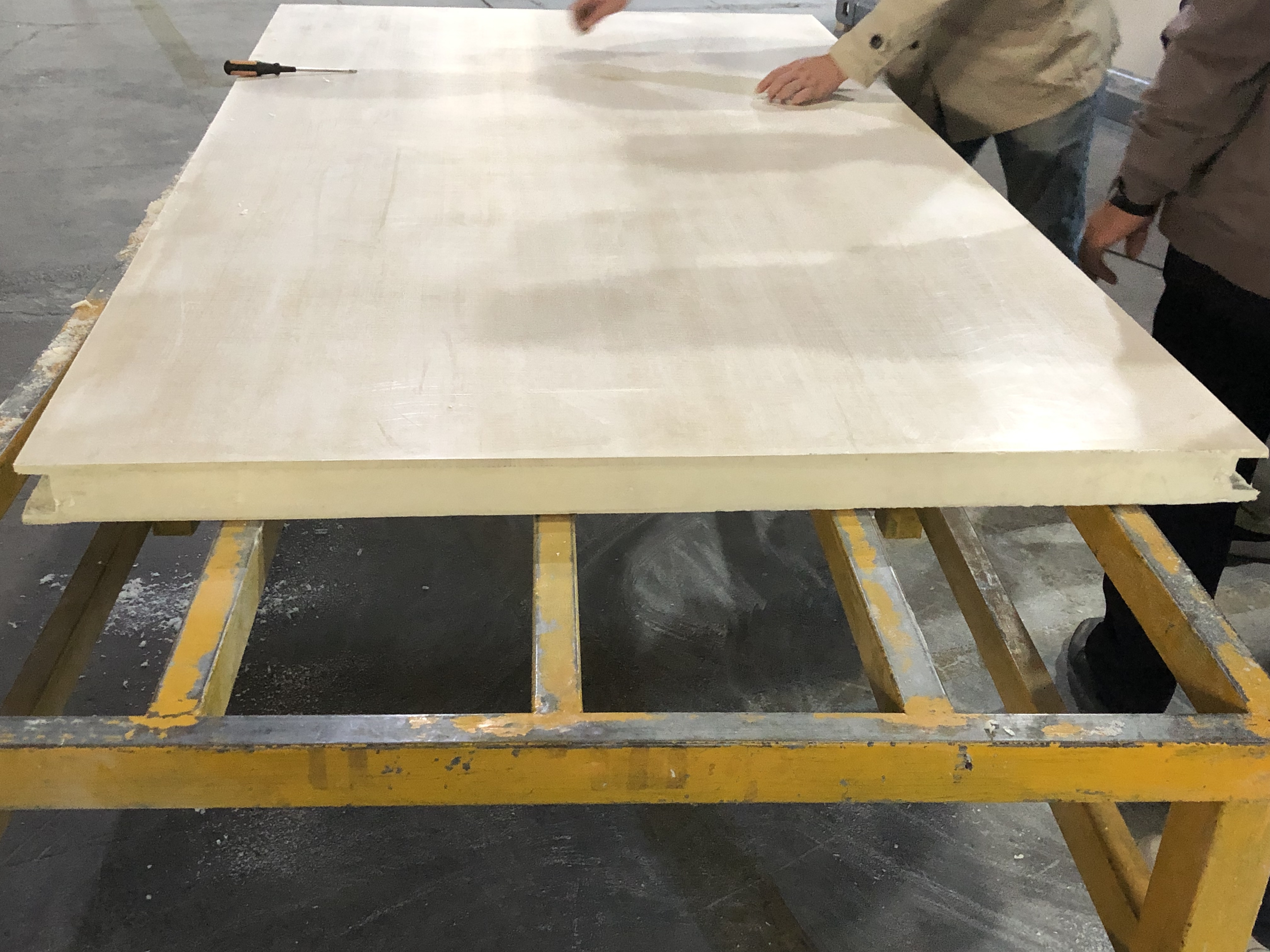
Rather than asking the insulation layer to control every environmental load, the outer reflective, drainage and weather-resistive layers reduce the conditions reaching the insulated structure.
5. Vgelo Utility Moisture Wrap VUMW15500
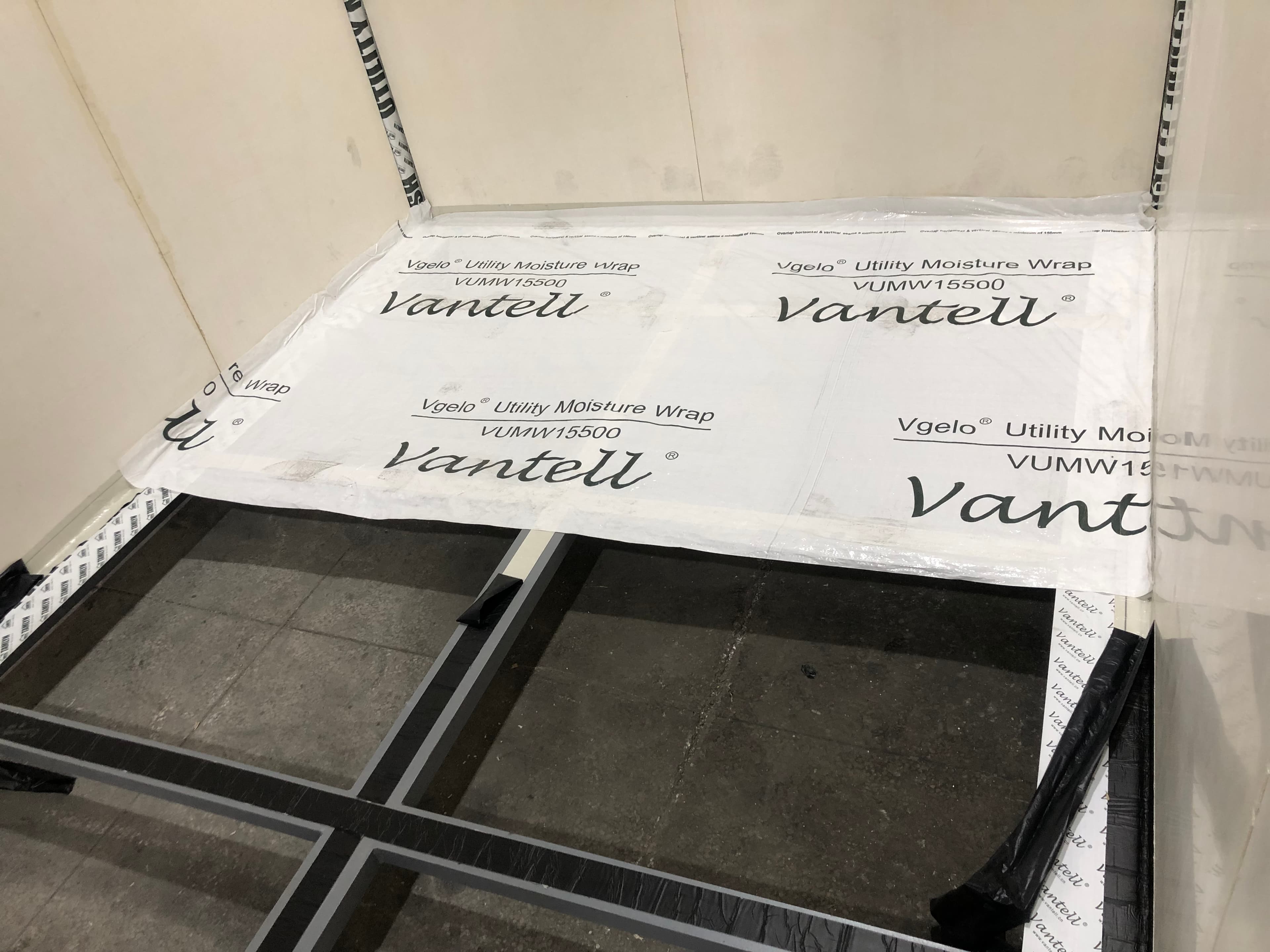
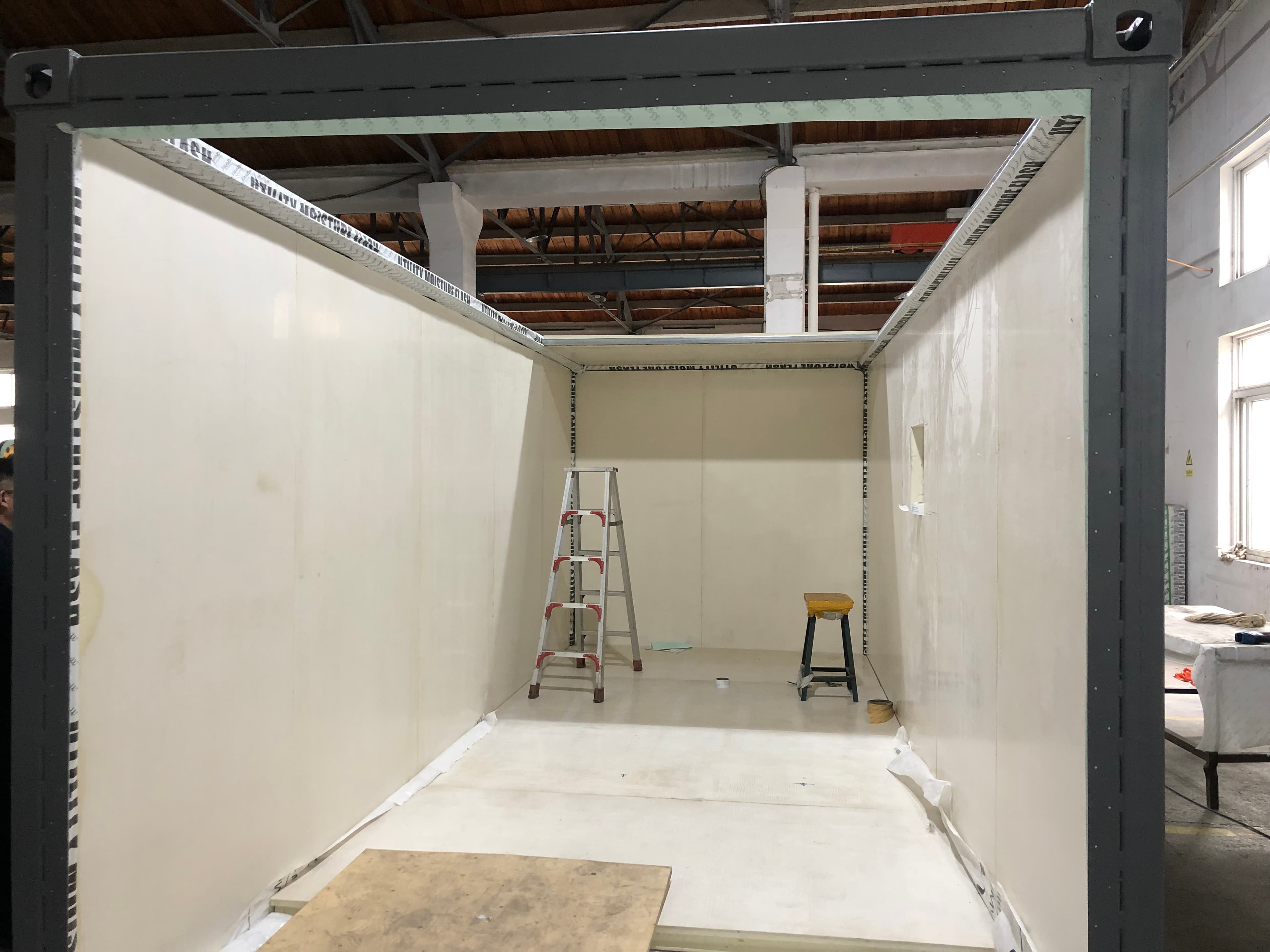
On the interior side, Vgelo Utility Moisture Wrap VUMW15500 forms part of the vapor-control and air-control strategy.
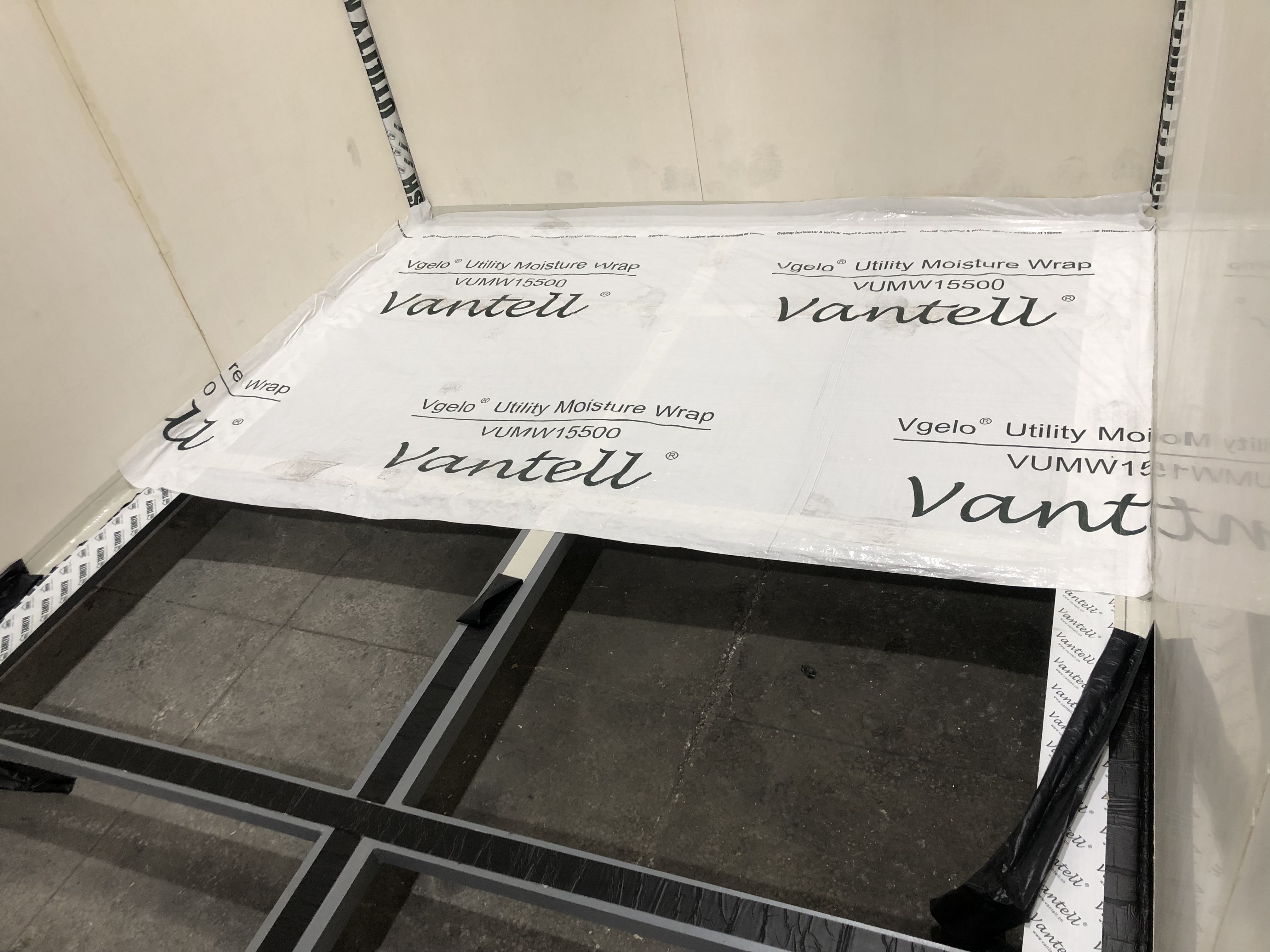
Maintaining a continuous interior control layer helps reduce uncontrolled air movement through panel joints and other enclosure transitions while supporting project-specific moisture management.
6. Vantell Sealing and Flashing Tapes
Membrane performance depends on continuity. Field membranes alone cannot maintain a complete weather and air-control layer around every lap, opening, joint and transition.
VSST Series Acrylic Single-Sided Sealing Tape was used to maintain continuity at membrane seams, overlaps and related enclosure joints.
VWFAXW Series Window Sealing Tape was used around critical window-opening details to create waterproof and airtight transitions between the opening and the surrounding weather-resistive layer.
Together, these sealing components connect individual membrane areas into continuous weather-resistive and air-control layers.
Managing Solar Heat Before It Reaches the Insulation
One of the main design principles was to manage solar heat progressively through the enclosure rather than relying solely on bulk insulation.
The reflective exterior surface helps reduce the initial solar heat load. Behind it, Vgelo@ RainScreen 10.1 creates a ventilated separation layer that allows accumulated heat to dissipate.
VREFLECT Reflective Breather Membrane then provides the second reflective surface behind the cavity, while the PIR-based insulated composite panel provides the primary resistance to conductive heat flow toward the interior.
The resulting strategy addresses radiant, convective and conductive heat transfer at different positions within the assembly.
Rainwater, Drainage and Drying
The rainscreen cavity performs more than a thermal function. It is also a critical part of the enclosure's moisture-management strategy.
Water passing the primary exterior surface can enter a defined drainage space created by Vgelo@ RainScreen 10.1 VRS523101 rather than remaining directly against the insulated wall assembly.
Behind this drainage cavity, VREFLECT Reflective Breather Membrane acts as the secondary weather-resistive layer while allowing the wall assembly to remain vapor open toward the exterior.
This separation of exterior protection, drainage, ventilation and secondary weather resistance applies fundamental rainscreen principles to a compact, factory-assembled modular structure.
Roof and Upper Enclosure Protection
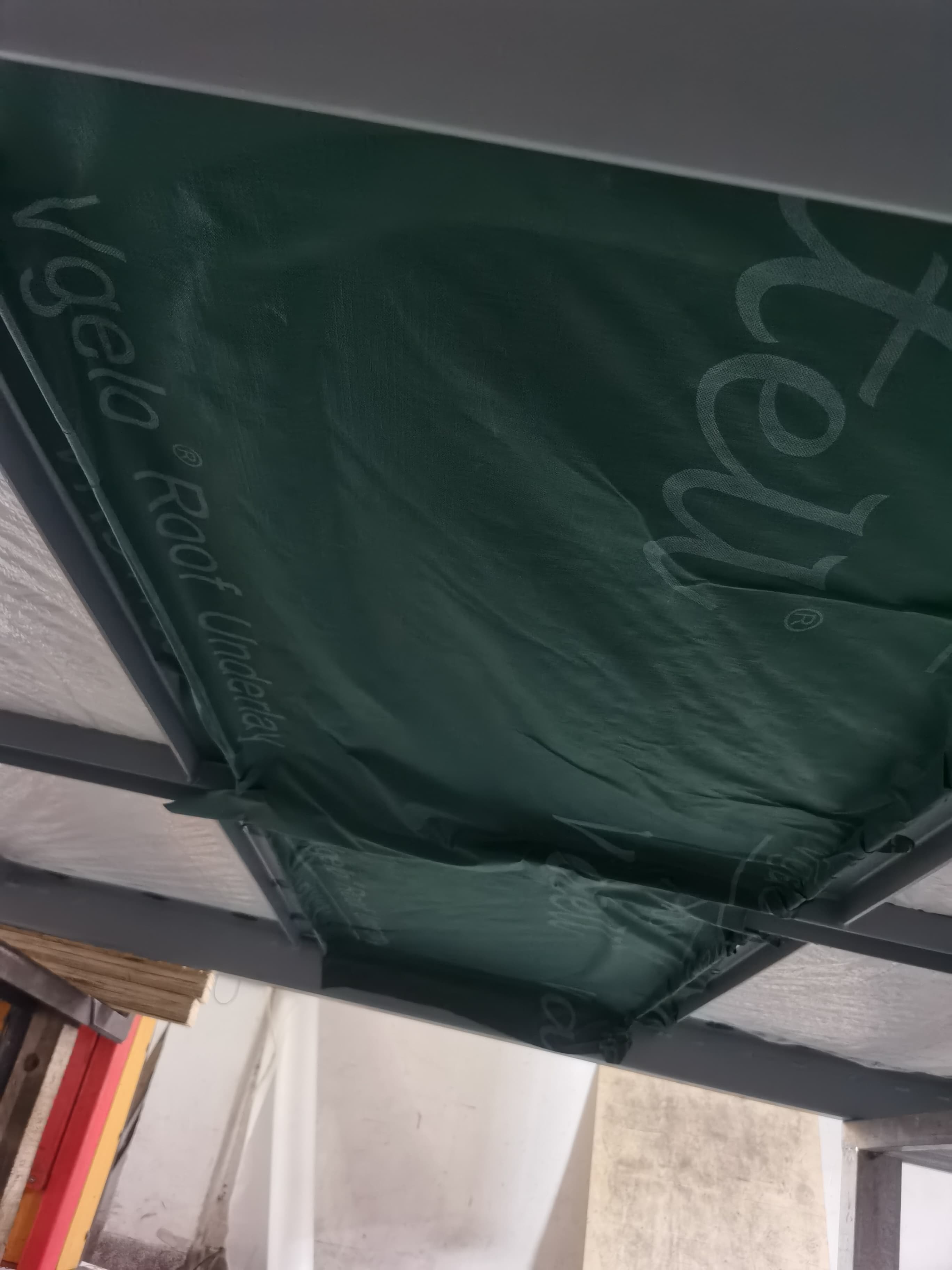
The modular enclosure also required continuity across the upper building assembly. A Vantell roof underlayment was incorporated as an additional weather-protection layer within the roof construction.
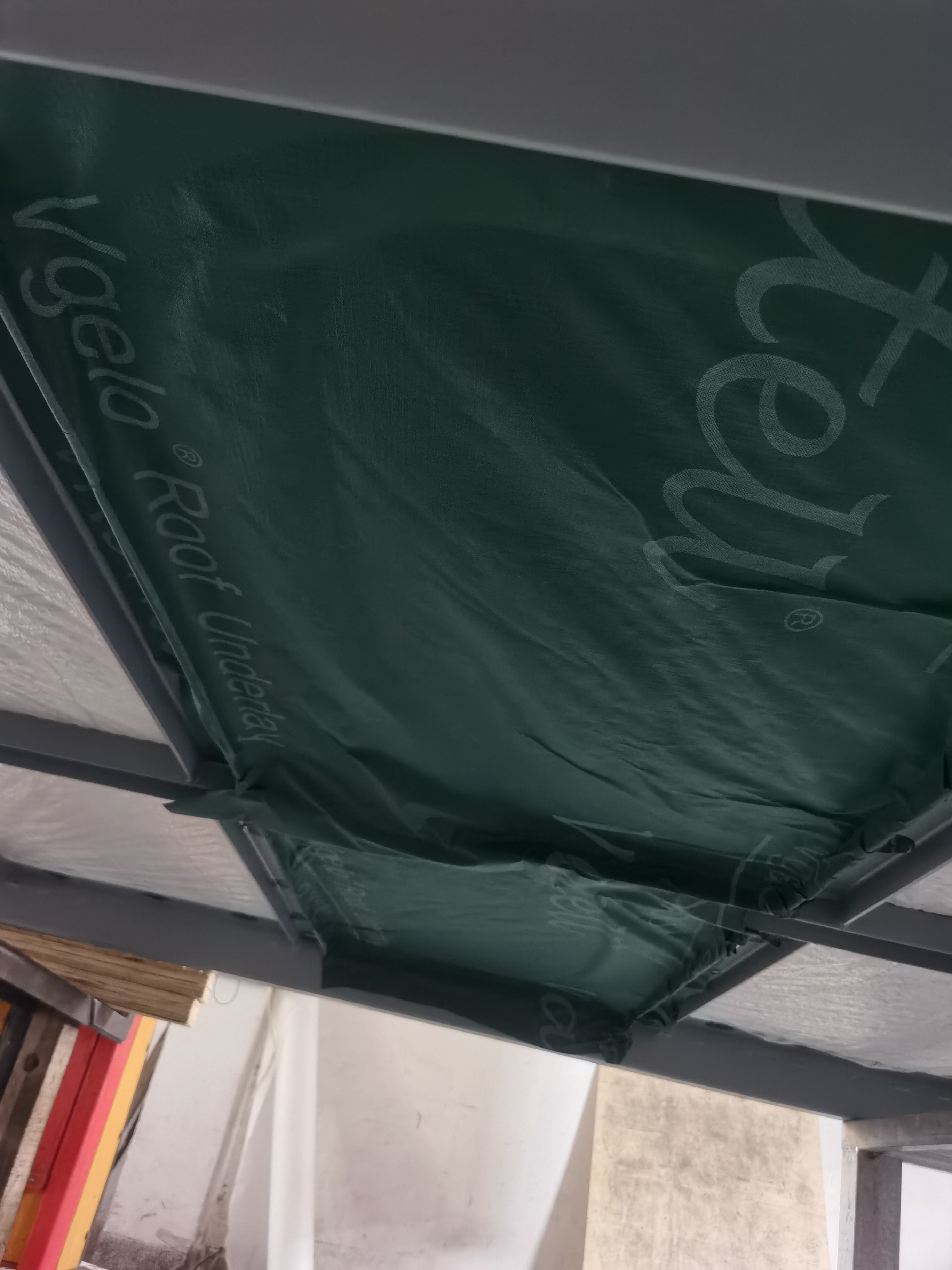
This illustrates the wider system approach of coordinating wall, roof and interior control layers rather than treating each enclosure surface independently.
Factory Integration
Because the building envelope was incorporated during factory assembly, the different layers could be coordinated before the exterior construction was fully closed.
Membrane coverage, rainscreen installation, panel transitions, interior control layers and sealing details could therefore be inspected as part of the modular fabrication process.
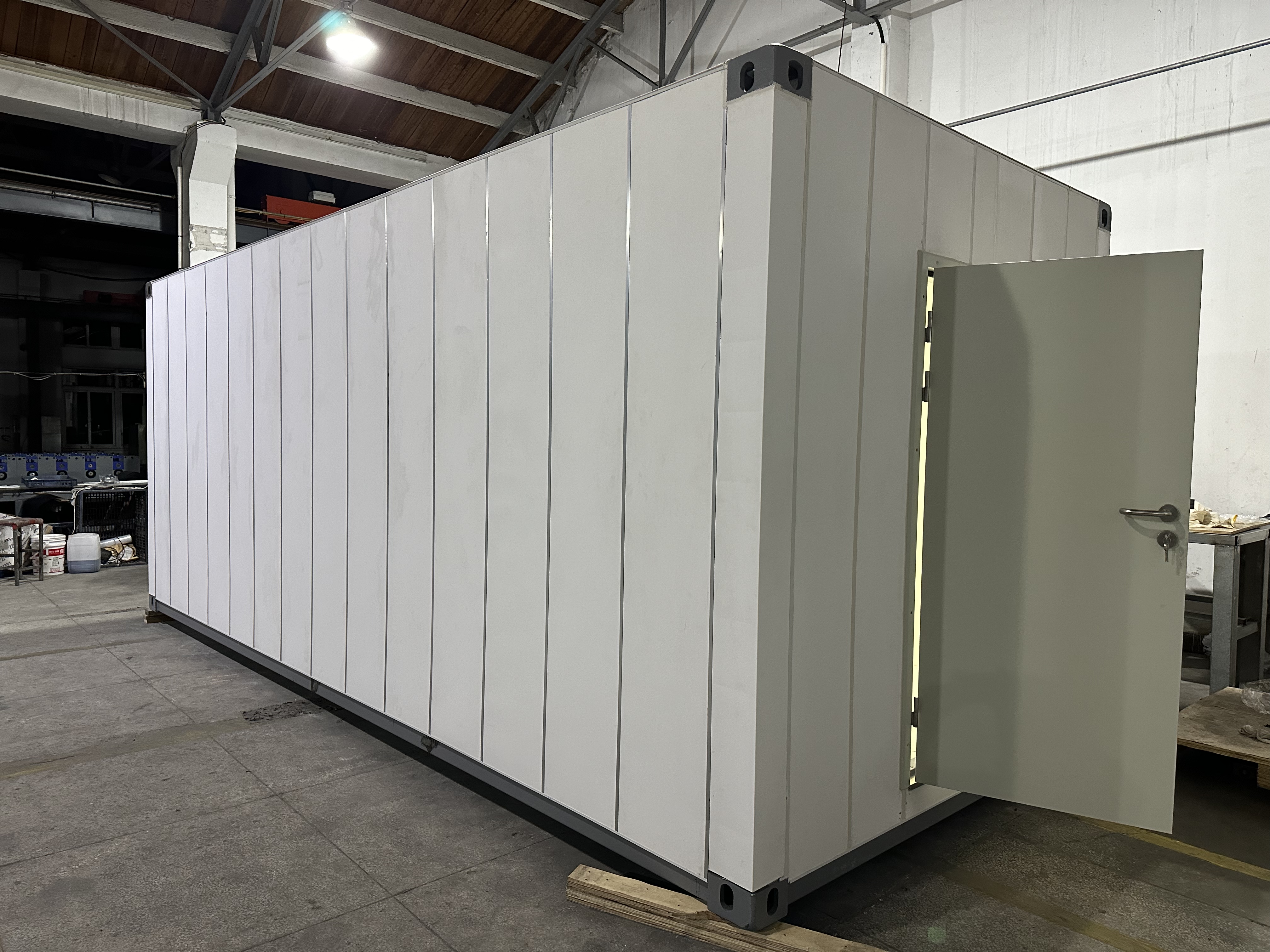
Factory integration also supports repeatability, an important consideration where the same envelope concept may be adapted to multiple modular units or project configurations.
Prototype and System Verification
The completed enclosure and representative wall components were evaluated through a series of project-specific verification tests focused on weather resistance, structural durability and enclosure performance.
Rain Exposure
The completed modular enclosure underwent 120 minutes of high-intensity rain exposure at approximately 10 mm/min.
Following the test, inspection of the enclosure found no observed interior leakage or dripping.
Structural and Transport Durability
Representative panel connection details were evaluated under vibration loading to assess the integrity of the modular wall construction under transportation-related movement.
Following testing, no abnormal delamination, cracking or fixing failure was observed in the tested specimens.
Impact Evaluation
Representative wall panels were also evaluated for impact resistance. Under the project test conditions, the tested panels retained enclosure integrity without observed exterior skin rupture or abnormal core delamination.
Observed Thermal Comparison
Comparative temperature observations were carried out during the project to evaluate the thermal response of the double-reflective rainscreen configuration against a conventional insulated modular enclosure.
| Observed Parameter | Conventional Enclosure | Double-Reflective Rainscreen Enclosure | Observed Difference |
|---|---|---|---|
| Exterior surface temperature | 45.5°C | 40.1°C | -5.4°C |
| Interior temperature at recorded comparison point | 40.8°C | 37.1°C | -3.7°C |
These observations represent the specific conditions recorded during the project and should not be interpreted as universal performance values. Actual thermal performance depends on climate, solar exposure, orientation, enclosure configuration, insulation level, airtightness and operating conditions.
Designed Beyond a Single Application
Although the original modular unit was developed for a mobile healthcare application, the significance of the project lies in the building-envelope strategy rather than the final use of the unit.
The same combination of reflective heat control, ventilated drainage, weather protection, insulation, vapor control and airtight detailing can be adapted to many types of modular and transportable buildings.
- Mobile healthcare facilities
- Emergency response facilities
- Remote and temporary offices
- Energy and utility facilities
- Telecommunications infrastructure
- Cold-chain and temperature-sensitive facilities
- Temporary accommodation
- Modular site buildings
The exact membrane configuration, rainscreen depth, insulation level and detailing strategy can then be selected according to the climate, internal use and performance requirements of each project.
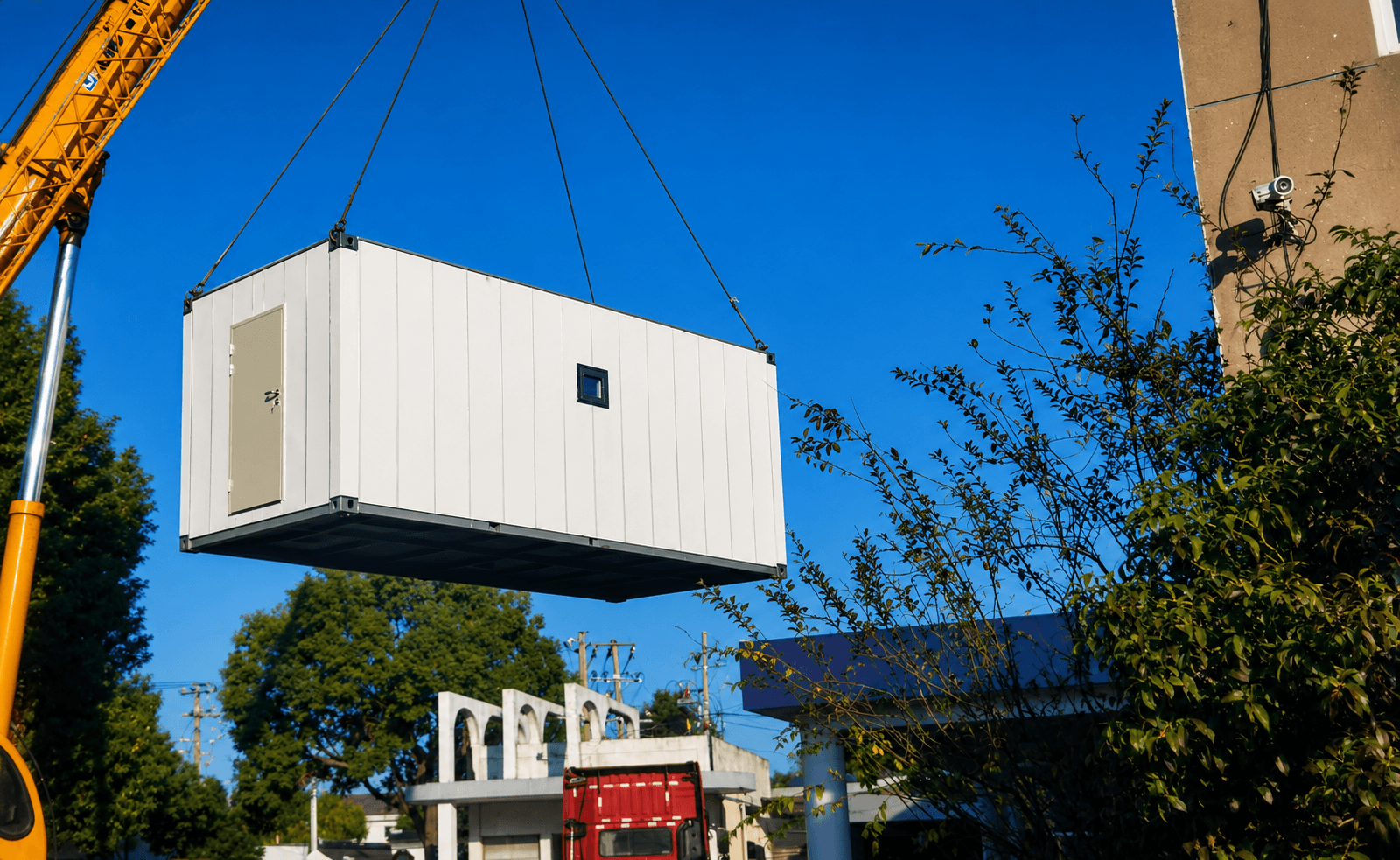
Transportable by Design
The completed structure was designed as a transportable modular unit. This makes enclosure durability and continuity important not only during operation, but also during lifting, transportation and relocation.
Factory assembly allows the enclosure layers and critical transitions to be integrated before transportation, while the modular format enables the completed unit to be relocated as required.
Project Takeaway
The significance of this project lies less in the final form of the modular unit than in the envelope strategy developed around it.
By integrating Vantell Tenjin Panel, Vgelo@ RainScreen 10.1 VRS523101, VREFLECT Reflective Breather Membrane, Vgelo Utility Moisture Wrap VUMW15500, VSST Series and VWFAXW Series into one coordinated assembly, the project demonstrates how individual Vantell products can function together as a complete building-envelope system rather than as isolated components.
The same system-based approach can be adapted to different modular building types, climates and performance requirements, providing a practical platform for future high-performance modular construction.